Why SaaS Product Videos Convert Better Than Static Landing Pages
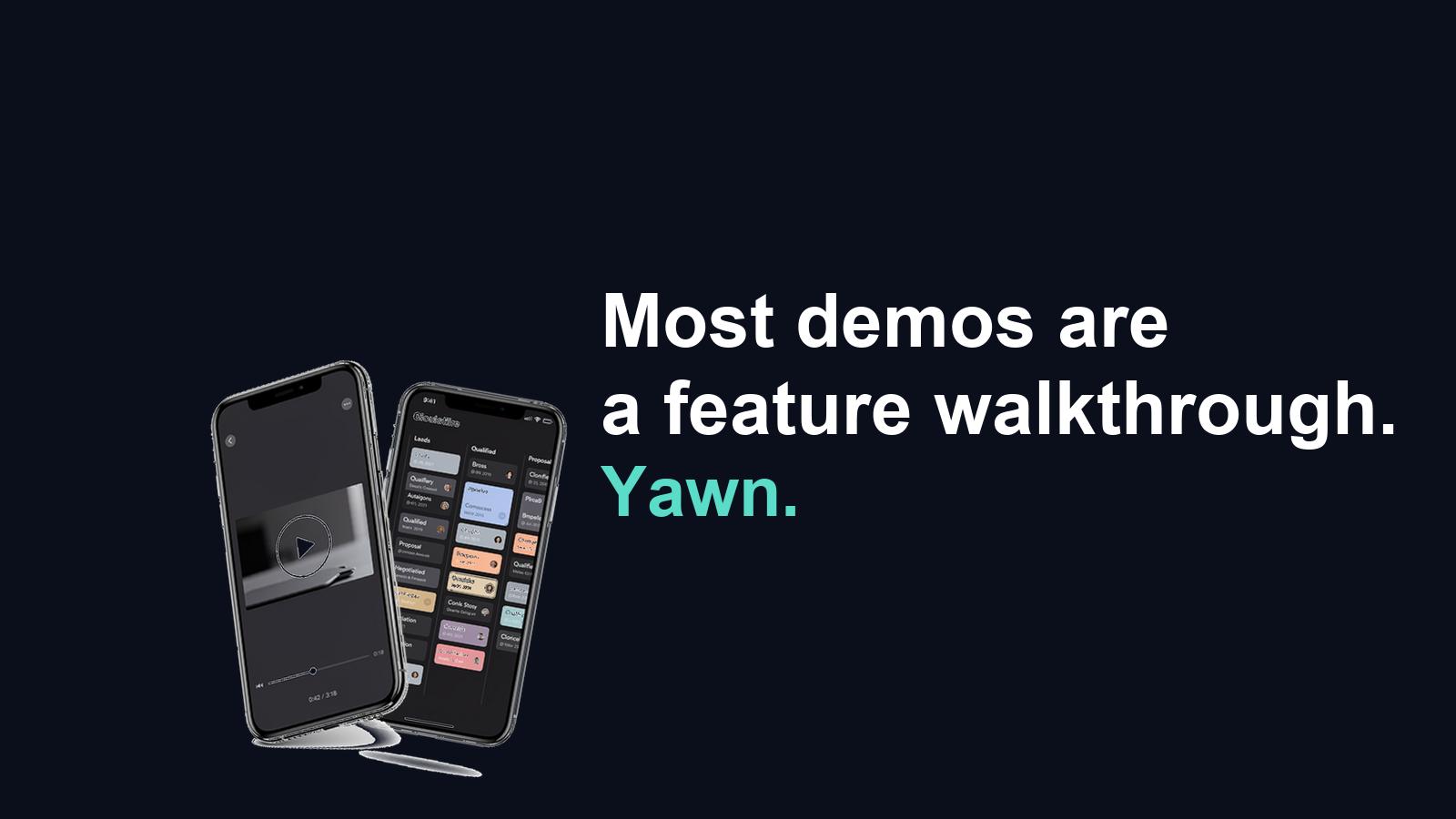
Most SaaS landing pages ask visitors to do too much work. They show a headline, a few feature blocks, some screenshots, and expect a cold buyer to instantly understand what the product does, why it matters, and whether it fits their team.
That is a lot to ask from someone who is probably checking three competitors at the same time.
A strong SaaS product video solves that problem. It compresses the pitch into a simple story: here is the pain, here is how the product works, and here is the outcome the buyer gets. Instead of making people imagine the value, the video shows it.
Why SaaS buyers need more than screenshots
Screenshots are useful, but they are static. They show what the product looks like, not how it feels to use it. For simple products that might be enough. For SaaS, especially anything with workflows, automation, dashboards, integrations, or AI, screenshots often leave too much context missing.
The buyer still has to ask:
- What problem does this actually solve?
- How does the workflow start?
- What happens after I click?
- Why is this better than the way we do it now?
- Can I picture my team using this?
A product video answers those questions faster because it shows motion, sequence, and cause and effect.
Video makes the value easier to understand
The best SaaS videos are not just pretty screen recordings. They are guided explanations. They take the buyer through the exact moment where the product becomes useful.
For example, instead of saying "automated reporting," a video can show a messy manual report turning into a clean dashboard in seconds. Instead of saying "AI call handling," a video can show the phone ringing, the AI answering, the customer getting helped, and the appointment being booked.
That matters because buyers remember outcomes better than features. A good video makes the outcome obvious.
Product videos build trust faster
Trust is not only built through testimonials and logos. It is also built through clarity. When a buyer can see exactly how the product works, the product feels less risky.
This is especially important for SaaS companies selling into busy teams. If your buyer has to book a demo just to understand the basics, many of them will leave before they ever talk to sales.
A clear product video lowers that friction. It tells the buyer, "yes, this is real, this is understandable, and this might actually help."
Where product videos work best on a SaaS website
You do not need to hide your product video deep inside the site. The best places are usually the pages where buyers are already trying to make a decision.
- Homepage hero: give new visitors a fast overview of what the product does.
- Product pages: show the specific workflow or feature set in context.
- Use case pages: match the video to the pain of one buyer segment.
- Pricing page: help visitors feel confident before they compare plans.
- Sales follow-up: send a short recap video after calls to keep momentum high.
The key is matching the video to the buyer stage. A homepage video should explain the big picture. A product page video can go deeper. A sales video can be more specific.
What a good SaaS product video should include
A high-converting SaaS product video does not need to be long. In fact, most should be short and focused. The goal is not to explain every feature. The goal is to make the buyer care enough to take the next step.
Here is the simple structure that works:
- Open with the pain. Say the problem in the buyer's language.
- Show the old way. Remind them what is slow, messy, or expensive now.
- Introduce the product. Position it as the easier path.
- Show the core workflow. Let them see the product doing the job.
- End with the outcome. Make the business result clear.
- Give one next step. Book a demo, start a trial, or watch a deeper walkthrough.
The mistake most SaaS brands make
Most SaaS companies try to explain everything in one video. They show every tab, every setting, every menu, and every feature. That usually creates a video that feels like internal training instead of marketing.
Buyers do not need every detail at the first touch. They need the clearest reason to keep going.
The better approach is to create a small video system:
- One main product overview video
- Three to five short feature videos
- Use case videos for different buyer types
- Founder or customer led videos for trust
- Short social clips that drive traffic back to the site
That gives your sales and marketing team assets for every part of the funnel instead of one overloaded video trying to do everything.
How MZ Media helps
At MZ Media, we help SaaS companies turn complex products into clear, sharp product videos that buyers can understand quickly. We focus on the message first, then the edit, motion, pacing, and distribution.
The goal is simple: make your product easier to understand, easier to trust, and easier to buy.
If your SaaS website is relying only on screenshots, feature blocks, and long copy, a product video can give buyers the clarity they need to take the next step.
See a fuller framework in our SaaS product video guide and the underlying script approach in our product demo script framework.